
School Cleaning Services: What to Expect
Hiring school cleaning services goes more smoothly when the agreement follows how the building actually runs. Administrators need a shared picture of daily priorities, work done while people are in the building, projects saved for breaks, product and access rules, and how quality will be reviewed.
Call (650) 483-8837 to schedule a walkthrough and map those decisions onto your campus before you compare proposals.
Before you hire, write down the areas and tasks included, the schedule for routine and break-period work, the rules for products and access, and a simple way to check results. The plan should fit that school or daycare, not a generic room list.
The CDC's guidance for schools treats daily cleaning of frequently touched surfaces as a normal part of keeping a campus healthy. California child care licensing looks at overall cleanliness and expects toxic chemicals to stay out of children's reach. The sections below turn those expectations into decisions you can put in a scope.
What school cleaning services should cover
Before hiring a provider, an administrator should define the building's cleaning scope in writing. Start with the difference between work needed while the school is occupied and project work that is safer or more practical during a break. The right schedule depends on enrollment, building use, traffic, and which areas remain open after classes.
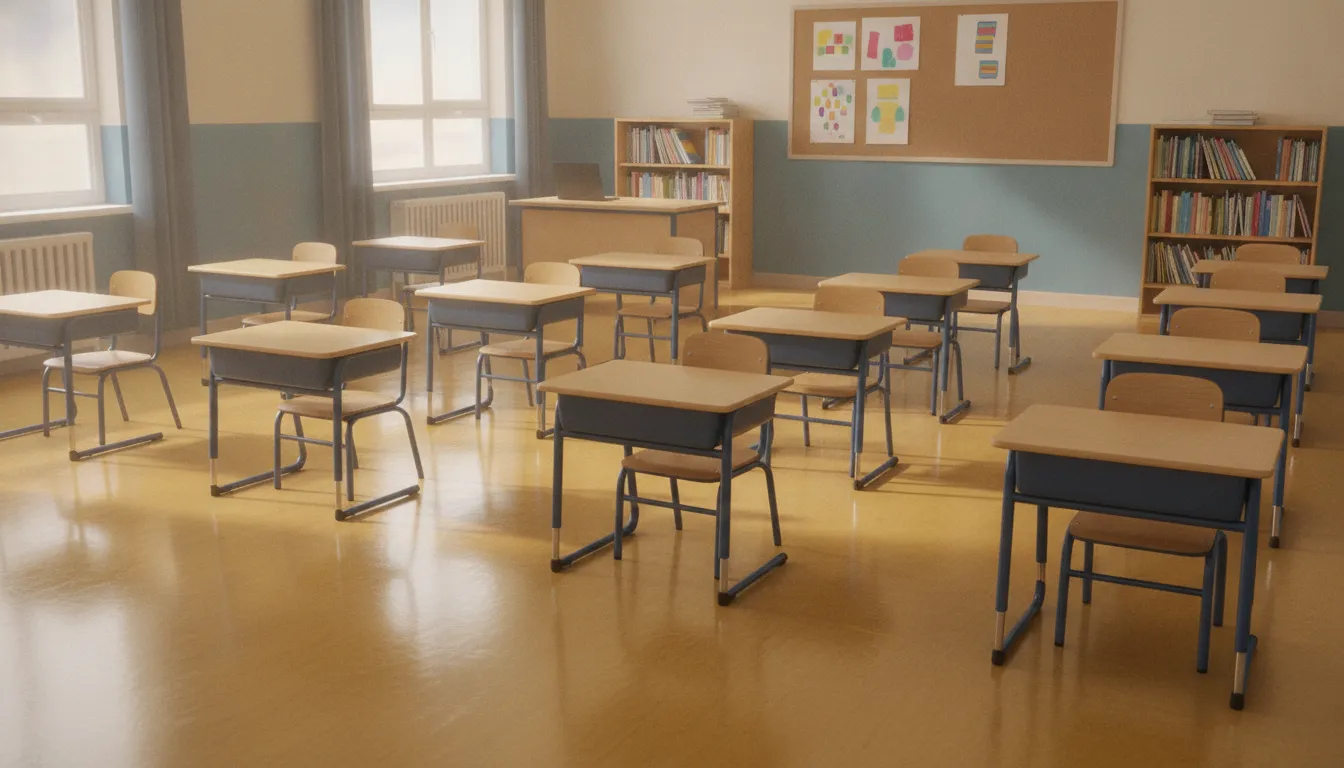
During the term, the plan should protect daily usability and keep frequently touched areas from becoming an afterthought. The written scope should identify classrooms, restrooms, food-service areas, play spaces and gyms, administrative offices, and entrances. It should also state how the provider will handle trash, restocking, spills, and any mid-day needs. The CDC recommends daily cleaning of frequently touched surfaces. That includes desks, doorknobs, keyboards, faucets, and shared learning items. Infections can spread through shared objects and close contact. CDC school cleaning guidance can help administrators pressure-test those routine expectations.
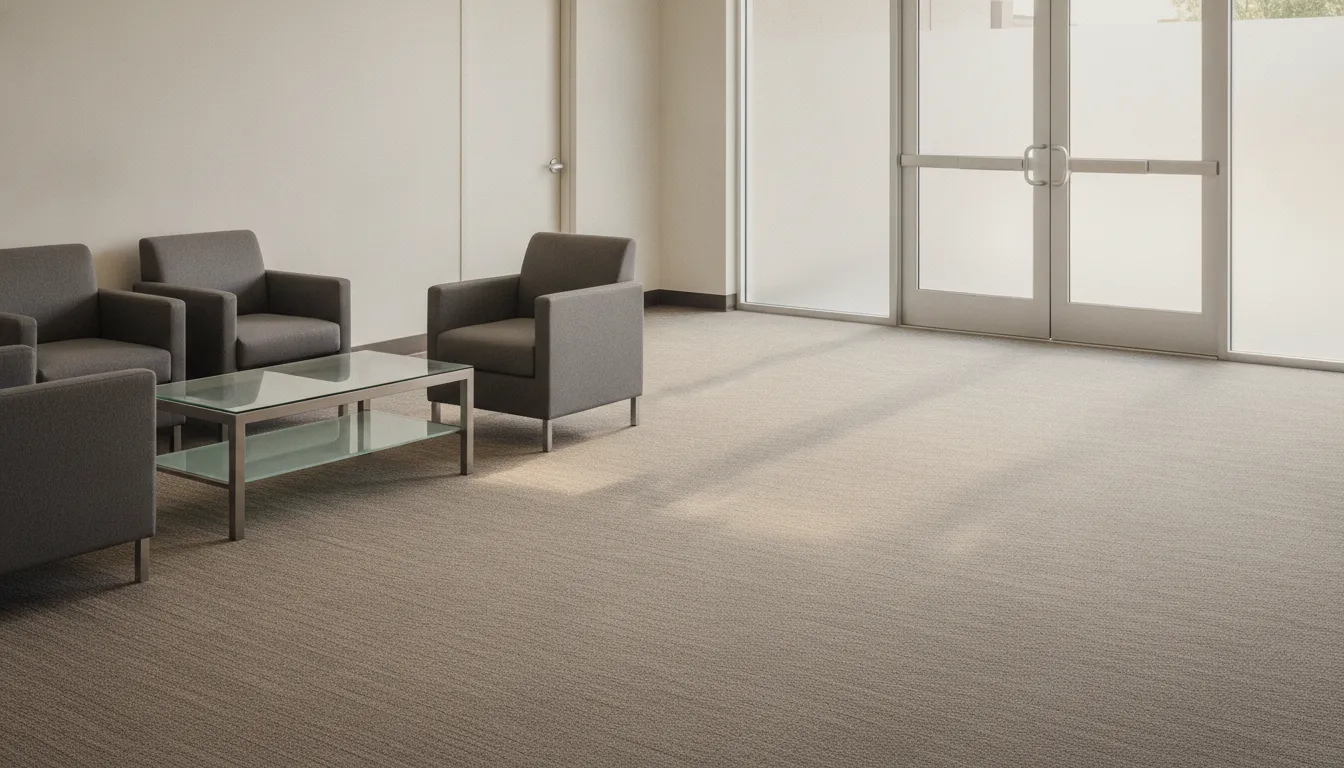
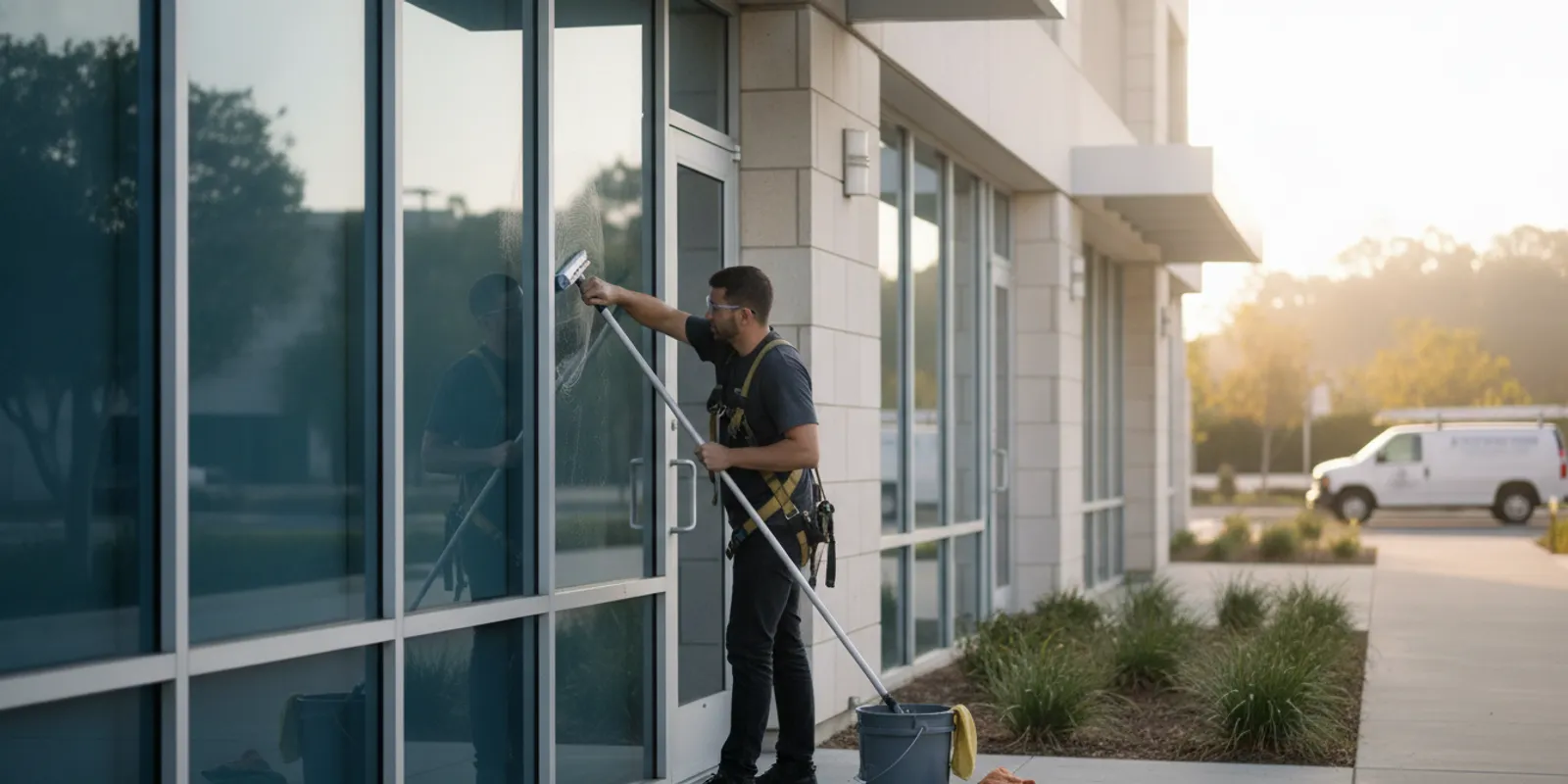
Break-period work belongs in a separate section of the agreement. With fewer people in the building, the provider may have access to floors, carpets, windows, restrooms, and other areas that are difficult to service thoroughly during a normal school day. Do not assume that a term-time contract includes this project work. Name it, schedule it, and confirm who will approve the building's readiness before students return.
When | Typical focus | Who should confirm it |
During the school term | Occupied classrooms, restrooms, food areas, gyms, offices, and entries. Also high-touch surfaces, waste, and essential restocking. | Administrator and facility manager. Ask teachers and food-service staff. |
During breaks | Projects that need more access or dwell time. Examples: floor care, carpet cleaning, restroom detailing, and window washing. | Administrator and facility manager. Write down the return-to-school deadline. |
The provider's task menu should support the scope without replacing it. Review the details on school and daycare cleaning in Irvine, then ask for a walkthrough so the final plan reflects how your building is actually used. A clear division between routine and project work makes proposals easier to compare and reduces surprises when the calendar changes.
How to schedule around the school day
A workable cleaning plan protects instructional time while keeping shared spaces ready for students, staff, and after-school users. Start with the building's actual rhythm: class changes, meal periods, arrival and dismissal, extracurricular activities, and the times when offices or classrooms are occupied.
Map occupied and quiet periods.
Identify which areas must be cleaned after dismissal and which can be serviced while the building is active. After-hours cleaning may be the better fit for classrooms, offices, and shared spaces that need privacy. Daytime presence can also work when the scope is limited to appropriate areas and communication with staff is clear. A
may support visible upkeep during the school day without making every task an after-hours assignment.
- Separate routine work from daytime checks.
Build the regular plan around classroom surfaces, floors, trash, restrooms, cafeterias, offices, and entryways as applicable. Mid-day restroom checks are an option, not a default. Consider them when traffic, events, or the age of the students creates a practical need, then keep the rest of the routine aligned with the school's occupancy pattern.
- Choose a frequency that matches use.
School cleaning services may be arranged daily, weekly, or monthly, with service occurring from one to seven days a week. A busy school may need more frequent attention in high-use spaces, while a smaller or less frequently occupied facility may use a different cadence. The right choice should come from building use and the agreed scope, not a preset schedule.
- Coordinate meals and after-school programs.
Note cafeteria or food-service windows, gym and play-area use, evening activities, and weekend events before assigning service times. This prevents a cleaning visit from competing with lunch preparation or leaving high-traffic areas unfinished before the next group arrives.
- Start at a term boundary when possible.
Launching a new arrangement at the beginning of a term gives administrators, staff, and the cleaning team a clear starting point. Confirm the rooms, frequency, access instructions, and daytime contacts before that date so the first weeks are organized rather than improvised. Review the plan after the opening period and adjust it if building use differs from expectations.
Daily cleaning of frequently touched surfaces is part of routine school guidance from the CDC. Enhanced cleaning for an outbreak should follow the state or local health department (CDC guidance for schools). Discuss the schedule during a walkthrough so the plan reflects your calendar, occupants, and priorities.
After-hours crews and daytime help
Most instructional spaces are easier to clean after dismissal. Desks are clear, doors can stay shut, and a wet floor is not in anyone's path. That is the right default for classrooms, teacher workrooms, and offices that need privacy.
Daytime help is a different job. It covers what cannot wait until evening. Think of a spill in a hallway, a restroom that ran out of soap before lunch, or a lobby that fills up again after morning drop-off. A day porter service can handle that occupied-day work without turning every classroom into a daytime stop.
Decide which model you need before you ask for a price. A school that is empty by 4 p.m. may only need an after-hours crew. A daycare that stays open into the evening, or a campus with a heavy lunch service, often needs a short daytime window as well. Write the hours, the rooms that stay off limits while children are present, and the person who can approve an exception.
Golden Coast builds that split into the plan for each building. Schedules can run anywhere from one day a week to seven, including daily, weekly, or monthly patterns. There is no standard shift length. The walkthrough is where you and the crew agree on the hours that fit your calendar.
Safety rules before cleaners start
Settle product and access rules before a cleaner enters a classroom, a daycare room, or a shared activity space. Ask which products will be used around children, where those products are stored between tasks, and what the crew does with a bottle that is not in someone's hand. The school page describes a child-safe, non-toxic approach for educational buildings. Treat that as a question to confirm on the walkthrough, not as a certificate.
Licensed child care centers in California are inspected for cleanliness. The California Department of Social Services expects toxic chemicals to be locked away or kept consistently out of children's reach. A cleaning crew should follow the facility's storage rules. Do not leave a spray bottle or bucket in an occupied room. Return products to locked storage when the task is done. K-12 schools are not licensed the same way, but the same storage habit protects students there too.
Keys, codes, and alarms need a named owner. Before the first visit, write down who may hold a key or a code, where keys are signed out and returned, and who opens or secures the building. Do not leave access notes in a classroom, on a cart, or in an unlocked message. If the crew arrives before opening or stays after closing, confirm the alarm steps and the person to call if the system does not arm.
Also name who may enter an occupied room. Say which rooms are off limits during the day, and how the crew should work when children or teachers are still inside. Close the door or set a barrier when a wet floor or a spill response creates a hazard. CDC guidance for schools includes daily cleaning of desks, doorknobs, faucet handles, and toys. That routine is safer when storage, access, and room permissions are already written down. Restrooms are the highest-traffic test of those rules, which is why many campuses pair daily service with periodic bathroom detailing during a break.
Quality checks that keep the plan honest
A written scope only helps if someone compares it with the building. Start with the spaces, the routine tasks, and the details your staff notices first. The document should be specific enough that an administrator and the crew are using the same list, not memory.
Give that list a named contact. Golden Coast is owner-led: Jennifer Cho, owner and operator, is the person clients reach when a room needs a different frequency or a task needs a clearer description. The site says clients can reach the owner seven days a week. Treat that as the communication model, not as a promise of an instant reply.
Supervisor visits are the second check. The company describes regular quality visits to each job site. There is no published inspection score or response-time guarantee. Agree on what the visit will look at.
Check restrooms. Look at fixtures, floors, soap, and paper.
Check high-touch desks and other shared surfaces.
Check entries. Floors and nearby surfaces shape the first impression.
Check rooms that were missed, left unfinished, or used differently than the scope assumed.
After the first few weeks, walk the building with the administrator and the supervisor. Compare the written scope with what the campus actually needs. A room may need a different frequency. A mid-day restroom check may be worth adding. A task may need a clearer sentence. Write the change into the scope and use that version going forward.
Keep project work out of the nightly routine. Floor and carpet projects need open time, so they belong on a break calendar. If that need comes up, look at commercial floor care as a scheduled project, not as a quiet add-on to everyday service. The same idea applies to carpets: extraction is a break task, not a nightly one.
What to bring to the walkthrough
The walkthrough is where a general proposal becomes a plan for one campus. Golden Coast uses it to see how the building is used before anyone writes a scope. You will get more out of that hour if you arrive with a few facts already in hand.
Bring a simple site packet:
Bring a floor list or map. Mark classrooms, restrooms, food areas, gyms or play rooms, offices, and entries.
List the hours the building is occupied. Include after-school programs and weekend events.
Note product limits, scent sensitivities, and storage rules your staff already follows.
Name who holds keys and alarm codes. Name who may approve a cleaner in an occupied room.
List break dates for floors, carpets, or a deeper restroom detail.
You do not need a finished specification. You do need enough detail that two proposals can be compared on the same rooms and the same calendar. If you already have a crew, note what you want to keep and what you want to change. That keeps the conversation on the building instead of on a generic package.
Orange County campuses in Irvine, Huntington Beach, Costa Mesa, Santa Ana, and the Beach Cities use the same decision, even when the buildings look different. A small daycare and a multi-building school both need a written scope, a schedule that respects the day, and a person who will walk the result. The owner-led approach is meant for that conversation: you talk with the operator, not a call center, and the plan is built for the site.
Schedule a walkthrough when you are ready to put your calendar and access rules on the table.
Frequently Asked Questions
How should a school or daycare define the cleaning scope?
Start with the outcomes the facility needs, not a room-by-room list alone. Name the areas included and the condition you expect at opening. Say which tasks happen daily or less often, who supplies paper and soap, and how illness response or events will be handled. Put those expectations in a written scope so administrators and the cleaning team share the same standard.
Can cleaning be scheduled without disrupting students and staff?
Yes. The schedule should reflect the school day, arrival and dismissal periods, meals, nap times, activities, and any restricted-access areas. Some work may fit before or after classes, while quieter or lower-impact tasks can be planned during approved windows. A walkthrough with the administrator helps the provider build a practical schedule and identify areas that need advance coordination.
What should administrators ask about cleaning products and chemical storage?
Ask which products will be used, where product information is kept, and how the provider handles labeling, dilution, ventilation, and storage. Chemicals should remain secured from children and unauthorized staff, stored in their original or properly labeled containers, and managed according to the facility's safety procedures. The school should also communicate any product restrictions or known sensitivities before service begins.
How can a school check cleaning quality without creating a complicated process?
Choose a few visible standards tied to the written scope, such as ready-to-use classrooms, orderly supply areas, clean high-touch surfaces, and prompt reporting of issues. A short administrator walkthrough or recurring check-in can confirm whether those standards are being met. Keep a simple issue log with the location, concern, date, and resolution so recurring problems can be addressed rather than repeatedly overlooked.
Schedule a walkthrough
A walkthrough is the simplest way to turn this checklist of decisions into a plan for one building. Bring your calendar, the rooms that stay busy, and the access rules your staff already follow.
Schedule a walkthrough with Golden Coast Cleaning Services, or call (650) 483-8837. Jennifer Cho, owner and operator, works directly with school and daycare administrators across Orange County.
Comments