
School Cleaning Checklist for Administrators
A school cleaning checklist is the scope document an administrator can hand to a cleaning team before the term starts. It lists the rooms, the tasks in each room, and whether that work happens on a school day or during a break. Without it, a proposal can look complete while leaving the cafeteria, the gym, or the entry unassigned.
Golden Coast Cleaning Services builds that list with the person who manages the building. Jennifer Cho, the owner and operator, uses a walkthrough to match tasks to how the campus is actually used. The company serves schools and daycares across Orange County, including Irvine, Huntington Beach, Costa Mesa, and Santa Ana. Daily work and break projects are written as separate lines so neither is assumed.
Use the sections below as a working list. Mark what applies, note the frequency, and bring the marked copy to the walkthrough. If you are still deciding what a contract should cover before you get to tasks, start with school cleaning services and come back here for the room-by-room list.
How to use a school cleaning checklist
Treat the checklist as a scope sheet, not a promise that every line happens on every visit. A classroom desk wipe and a summer floor strip are both real work. They do not belong on the same frequency line.
Walk the building once with three questions for each area:
Who uses this room, and when is it empty?
Which tasks must be done before the next group arrives?
Which tasks need a closed building, a dry floor, or a multi-hour window?
Write the answer next to the task. Daily, after dismissal, mid-day, weekly, and break are enough labels for most campuses. If a room is closed on certain days, say so. A checklist that ignores the bell schedule will not survive the first week.
Keep two copies. One is the daily and weekly list the crew follows during the term. The other is the break list, with a return-to-school date on it. Golden Coast separates those lists on purpose. Recess deep cleaning, carpet work, floor strip and wax, bathroom detailing, and window washing are projects. They are not folded into a standard school-day visit.
The CDC's cleaning guidance for facilities treats routine cleaning of frequently touched surfaces as normal upkeep, with disinfection reserved for higher-risk moments. Your checklist should show that split. Name the surfaces that get a daily clean. Name, separately, any area where the school wants a disinfectant and who approves the product.
School cleaning checklist by room
Start with the rooms that are occupied every school day. Add the project lines only where the building actually needs them. Skip a row that does not exist on your campus rather than leaving a blank task that nobody owns.
Classrooms and learning spaces
Classrooms are the core of a daily school cleaning checklist. On a school day, the useful list is short and specific:
Wipe student desks and tables.
Clean high-touch points: door handles, light switches, and shared supply areas.
Empty trash and replace the liner if it is soiled.
Vacuum carpet or dust-mop and damp-mop hard floors.
Wipe the whiteboard ledge and obvious sill dust.
Spot-clean spills that were flagged by staff before dismissal.
Leave teacher materials, graded work, and anything on a desk that looks in use. A cleaner should not decide what paper is trash. If a room has a sink, include the faucet and the counter, and confirm whether soap is restocked there or only in restrooms.
Save these for a break, when the room can stay closed:
Detail dusting of shelves, vents, and the tops of cabinets.
Carpet extraction or a scheduled encapsulation, not a quick vacuum.
Wall marks, baseboards, and under movable furniture.
Daycare infant and toddler rooms need one extra note. Floor-level play and hand-to-mouth contact mean mats and low surfaces belong on the daily list, not the break list. Say that on the sheet so the crew does not treat them like an upper-grade classroom.
Restrooms
Restrooms fail first when the checklist is vague. "Clean restrooms" does not say whether partitions, floors, and dispensers are in the visit. Write the fixtures out:
Toilets, urinals, and seats.
Sinks, faucets, and counters.
Door handles, stall latches, and light switches.
Mirrors, partitions, and splash marks on walls.
Floors, including around the bases of fixtures.
Soap, paper towels, and toilet paper restocked.
Trash emptied and the container spot-cleaned.
Mid-day restroom checks are an option, not the default. Add them when traffic, a younger grade, or an event makes a single after-hours visit too thin. A day porter can cover those checks while students are in the building, without turning every classroom task into daytime work.
Bathroom detailing is a different job. On a break, the project list can include fan vents, partition walls, tile, a floor scrub, and drain treatment. Do not write those into the nightly line. They need time the school day does not give.
Cafeterias and food-service areas
Meal periods set the clock. A cafeteria checklist has to name when the room is free, not only what gets cleaned.
Wipe dining tables and benches after the meal period the school assigns.
Sweep and mop the dining floor before the next group or before close.
Empty trash and recycling before they overflow into the serving line.
Clean visible food-contact surfaces the school includes in the scope.
Spot-clean spills called in during the meal, if daytime coverage is part of the plan.
Kitchen and serving areas belong on the sheet only when the school wants them cleaned by this crew. Some campuses keep food-prep cleaning with food-service staff. Write that split down. A checklist that claims the kitchen without access, a product list, and a time window will be skipped or done wrong.
Do not schedule floor drying across a lunch period. If the floor needs a deeper scrub, put it on the break list or after the last meal of the day.
Play spaces and gyms
Gyms and play areas look simple and get missed. Dust on a gym floor and a dirty mat are different tasks.
Dust-mop the gym or multipurpose floor on the days it is used.
Wipe shared equipment touch points the school lists, such as ball carts and doorway bars.
Clean mats and low play surfaces in early-childhood rooms daily.
Empty trash near the gym entry and the bleachers if those are in use.
Spot-clean spills before the next practice or after-school program.
Refinishing a gym floor, stripping a resilient tile floor, and deep-cleaning a large mat are break projects. They need a dry time and a closed room. Put the return date on the checklist so the work is finished before students come back.
Offices, entries, and the path between them
Offices and entries are how parents and staff judge the building before they see a classroom. Keep them on the daily list:
Vacuum or mop office floors.
Empty office trash.
Wipe the reception counter, copier area, and obvious high-touch points.
Clear debris, leaves, and loose trash from the main entry and walk-off mats.
Spot-clean interior entry glass the school can reach without a lift.
Check the lobby trash and the mat during a daytime visit if one is scheduled.
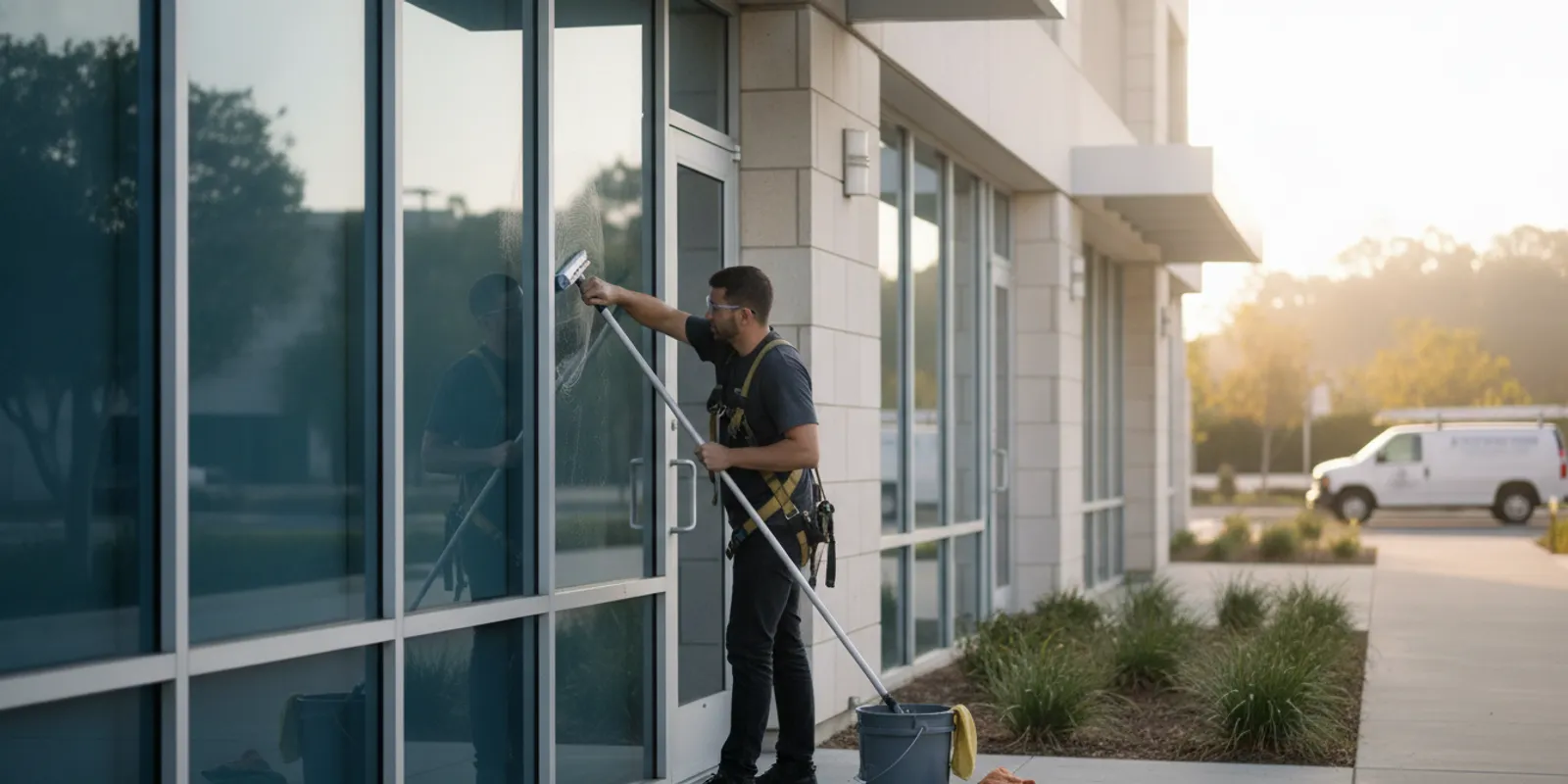
Exterior glass, high windows, and a full window wash are not a daily entry task. Schedule those with window washing during a break, and note which sides of the glass are in scope.
Daily work versus break projects
The most common scope mistake is treating a project as if it were included in the nightly clean. Use this table when you mark the checklist. If a task sits in the break column, it needs its own date.
Area | School-day tasks | Break or project tasks |
Classrooms | Desks, high-touch points, trash, floors, and the ledge wipe. | Detail dusting, carpet extraction, wall marks, and baseboards. |
Restrooms | Fixtures, floors, partitions, restock, and trash. | Vents, a tile wash, an autoscrub, and drain treatment. |
Cafeteria | Tables, the dining floor, trash, and assigned food surfaces. | A deep floor scrub outside meal hours. |
Gym and play | Dust mop, listed equipment, and mats in young rooms. | Floor refinishing and a large-mat deep clean. |
Offices and entries | Floors, trash, counters, entry debris, and spot glass. | A full window wash, including high glass. |
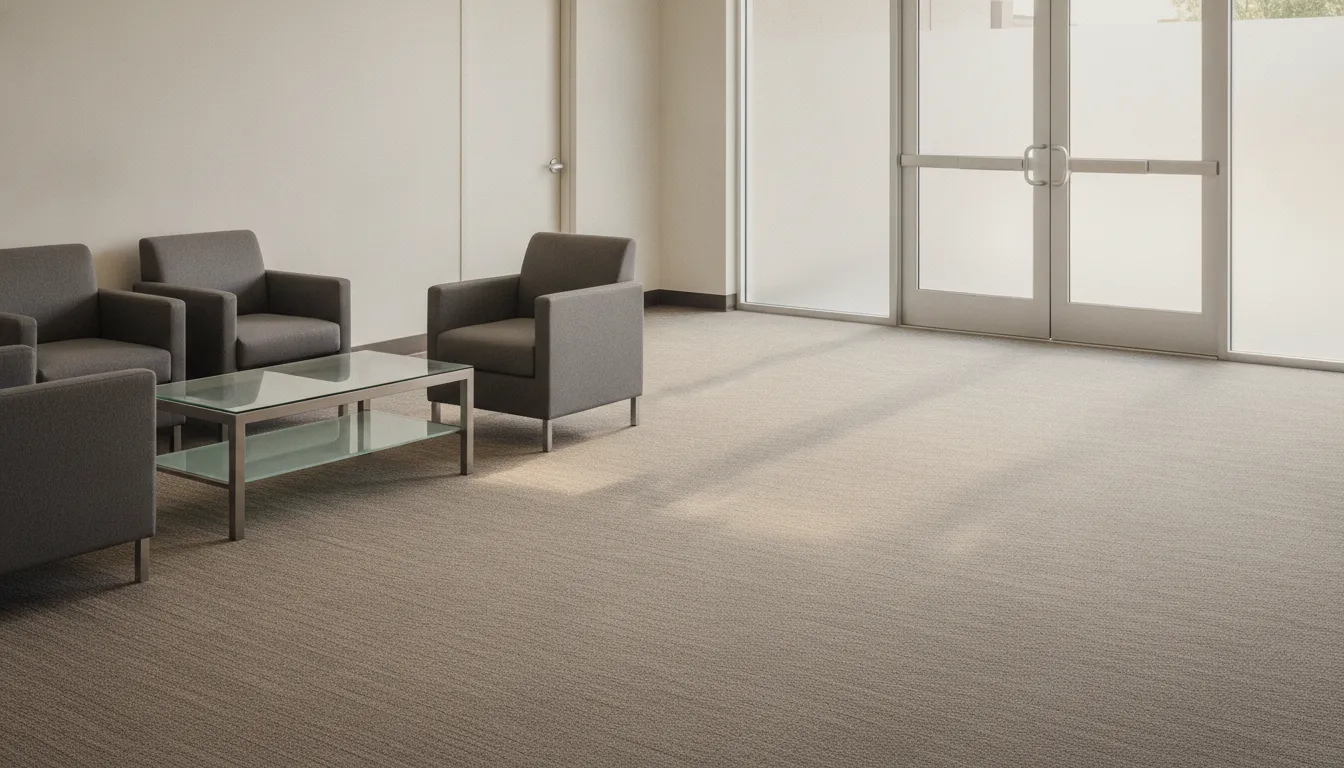
Floors, campus-wide | Vacuum, dust mop, and damp mop. | Strip and wax, burnish, and carpet extraction. |
VCT and other resilient tile in a school usually needs strip and wax on a break, not on a Tuesday night. Golden Coast schedules that floor work, along with carpet extraction and restroom detailing, for summer, winter, or spring recess, when the building can stay empty while floors dry. Commercial floor care should be its own line on the break checklist, with the rooms and the deadline named.
A smaller or less-used building may not need every daily line. Frequency still comes from use. Golden Coast can set service from one to seven days a week. The checklist should say which days, not "as needed.
A simple way to review the list
Once the rooms are marked, read the checklist in the order a crew would walk the building. Start at the entry, then offices, classrooms, restrooms, the cafeteria, and the gym. If two tasks conflict, the sheet should say which one wins.
Look for three gaps before you send the list to a vendor:
A room that is used and has no task at all.
A school-day task that needs the room empty for more than a few minutes.
A break task with no return date and no person assigned to confirm it.
Fix those on the sheet. A checklist with an owner and a date is something a crew can follow. A checklist that only names rooms will be read differently by every vendor you ask.
Review it again after the first two weeks of the term. If a room is busier than you expected, move a task from weekly to daily, or add a mid-day check. If a line is never needed, take it off so the scope stays honest.
What to mark before the walkthrough
Bring a marked checklist, not a blank one. The walkthrough goes faster when the administrator has already decided the open questions. Have these ready:
A room list, including portables, the gym, and any leased space.
The bell schedule, meal periods, and after-school or weekend use.
Which rooms are off limits, and where keys or codes live.
Product limits. The school page for this work specifies child-safe, non-toxic products. Confirm any product the district already bans.
Who restocks soap and paper, and where supplies are stored.
The staff contact for spills and locked rooms during the visit.
Break dates and the morning students return.
Also note what is not in the cleaning scope. Science labs that need a sweep and mop are a separate service from a classroom clean, and regulated lab waste stays with the school's own program. Do not add lab waste to this checklist. If the campus has a lab, ask about lab sweep and mop as its own scope.
Golden Coast does not publish a rate card. Price follows the rooms, the tasks, the days per week, and the access window. A complete checklist is what makes that conversation concrete. The goal of the meeting is a walkthrough booking, then a scope you can compare without guessing.
Want this checklist applied to your building? Call (650) 483-8837 or request a walkthrough. We will walk the rooms, separate daily work from break projects, and confirm frequency before anyone writes a proposal.
Frequently asked questions
What should a school cleaning checklist include?
Include every occupied area and the tasks in it: classrooms, restrooms, cafeteria, gym or play space, offices, and entries. Mark each task as a school-day item or a break project. Add frequency, access notes, and who confirms the room is ready.
How is a daily school clean different from a break project?
Daily work keeps rooms usable: desks, high-touch surfaces, restrooms, trash, and floors. Break projects need a closed building and dry time. Those include floor strip and wax, carpet extraction, restroom detailing, and window washing. They should be dated, not assumed.
Should mid-day restroom cleaning be on the checklist?
Only if use justifies it. Many schools are fine with a thorough clean after dismissal. Add a mid-day check, often through a day porter, when traffic, younger students, or events make one nightly visit too thin. Write the times on the sheet.
Who should fill out the checklist?
The administrator or facility lead should mark it, with input from teachers and food-service staff on room use. The cleaning provider should not invent the list from a generic template. A walkthrough is where the marked list becomes the scope.
Does the same checklist work for a daycare?
The room types overlap, but infant and toddler spaces need mats and floor-level surfaces on the daily list. Product limits are stricter wherever children touch and mouth surfaces. If the site is a daycare, say so on the sheet rather than reusing an upper-grade classroom list unchanged.
Comments