
A Facility Manager's Guide to Cleaning For Commercial Property Managers Orange County
Cleaning for commercial property managers Orange County starts with more than choosing service days. Tenants need to know which spaces are included, how cleaners will enter, what they should prepare, and where to send questions. A practical onboarding checklist makes those expectations clear before recurring service begins and gives the property manager a dependable way to coordinate with tenants and the cleaning provider.
Start with a building and tenant profile
Before a walkthrough, assemble a concise picture of the property and how it is used. Include the building type, occupied areas, operating hours, busy periods, shared spaces, and any near-term changes such as a move-in, renovation, or tenant turnover. This gives the cleaning conversation a useful starting point without asking property staff to decide every task in advance.
For a multi-tenant office, identify the common areas managed by the property and the suites that tenants control. For a school, clinic, laboratory, warehouse, or gym, note the different room uses and any rules that limit entry. A floor plan is helpful if one is available, but a simple list of areas and their current use can also guide the initial review.
Name the property contact who can coordinate service, plus an alternate for absences.
List the tenants, suite or area names, and the person authorized to discuss access for each.
Mark shared spaces, tenant-controlled spaces, restricted rooms, and areas not in scope.
Note operating hours, low-occupancy windows, busy days, and known no-entry periods.
Gather existing cleaning schedules, building policies, and written site requirements, if available.
Flag planned events, construction, move-ins, and other changes that could affect access or workload.
Keep the profile factual and current. A tenant list from several years ago or an old floor plan can misdirect a walkthrough. Where details are uncertain, mark them for confirmation instead of treating an assumption as an instruction.
Set the boundaries between property and tenant responsibilities
Tenants should understand the difference between building-managed cleaning and tasks they manage themselves. The division varies by property, so document it rather than relying on a general promise that the whole building will be cleaned. A useful onboarding sheet names the areas included in the proposed scope and identifies who can approve work in each one.
For example, a property manager may coordinate cleaning for a lobby, shared corridors, and common restrooms, while tenant offices require separate authorization or an agreed scope. A tenant may need to secure confidential papers, clear a path to a surface, or request access for a room that is normally locked. These are examples to resolve for the particular property, not universal rules.
- Property-managed areas:
Identify each shared area and the contact who can clarify its access and priorities.
- Tenant areas:
State whether they are included, excluded, or subject to separate approval.
- Tenant preparation:
Explain any agreed steps, such as clearing access paths or securing private materials.
- Decision authority:
Specify who may request a schedule or scope change and who confirms it.
Do not ask a cleaning team to enter private space, move personal or confidential items, or perform an unlisted task without authorization and agreement. If a tenant's needs differ from the shared-area plan, record the question and have the appropriate parties resolve it before the work is treated as part of recurring service.
Make the service scope understandable to tenants
Translate the proposed scope into plain language and connect each task to a location and frequency. Avoid descriptions such as “full service” or “clean everything” unless the written details explain exactly what those phrases mean. Separate recurring janitorial and office cleaning from periodic or one-time work, since the tasks and timing can differ.
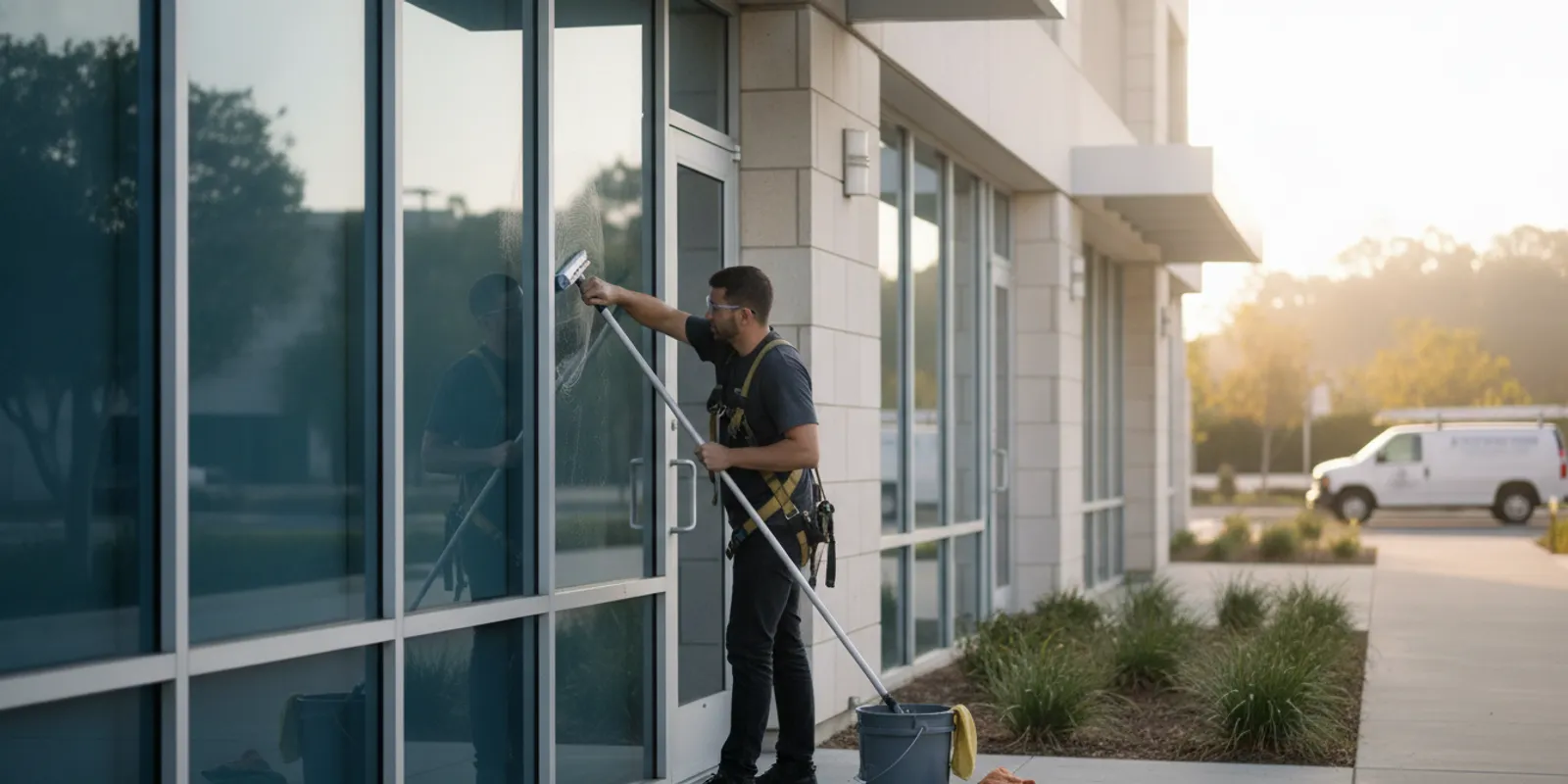
A scope discussion might list the agreed routine tasks for office areas and restrooms, then address floor care, carpet cleaning, window washing, bathroom detailing, or daytime porter service separately if those needs apply. Move-in or move-out work and construction cleanup are project needs to discuss on their own. Golden Coast Cleaning Services describes commercial janitorial and office cleaning alongside these specialty services, with the plan tailored to the building and requested work.
Use a simple area-by-area outline during onboarding. For each location, note the task being discussed, how often it is expected, any access condition, and whether it is included in the accepted plan or still needs confirmation. This format helps tenants see what to expect and helps prevent a request for a one-time detail from being confused with routine service.
For an overview of the company's documented commercial cleaning options, property managers can review the commercial cleaning services page. The page is a starting point for discussion; the exact areas, scope, schedule, and terms should still be confirmed for the individual property.
Coordinate access without compromising building security
Access instructions need to be clear enough for authorized service and limited enough to protect the property. Decide how entry will be approved, who may provide keys or credentials, whether an escort is required, and which rooms are off limits unless someone grants permission. Do not send alarm codes or other sensitive details through an unprotected channel; use the building's approved secure process.
Tenants should know what to do when a room cannot be accessed or when a scheduled visit conflicts with an event. Establish a route for reporting lockouts, unexpected closures, and changes in access. Identify who can authorize entry if the usual tenant contact is unavailable. These decisions are especially important in multi-tenant properties, where one person's instructions should not be assumed to authorize access to another tenant's space.
List the approved entry point and any check-in or escort requirement.
Identify restricted areas and who can authorize access to them.
Explain how keys or credentials are issued, stored, returned, and reported missing under property policy.
Set a procedure for lockouts, alarms, holidays, and building closures.
Tell tenants not to share access credentials outside the approved process.
For facilities with specific safety procedures, give the cleaning provider the applicable site instructions and agree how they will be communicated. OSHA's workplace safety resources are a government reference point; property-specific rules and task boundaries still need to come from the facility and be reviewed for the work at hand.
Choose service windows that fit how the property operates
Set proposed days and time windows around building use, not just a preferred time on a calendar. An office with low after-hours occupancy may discuss evening service, while an occupied building may need a different arrangement. Schools may need the schedule coordinated around classes and breaks. A warehouse, lab, or medical facility may have work windows that vary by area. Confirm the permitted timing with the property and affected tenants.
Make the schedule specific enough that tenants can prepare. Note which days service is expected, whether the timing differs among areas, and how the property will communicate a holiday or one-time change. If a tenant has an event or a room is unavailable, define how far ahead to report it and who decides whether to adjust access or timing. Avoid promising an alternate visit until it has been discussed and confirmed.
A short schedule sheet can show service days, approved windows, areas affected, and the contact for exceptions. If a schedule is still being considered, label it as proposed. That distinction keeps an estimate or preliminary conversation from being mistaken for an accepted booking or a confirmed start date.
Give tenants one clear communication route
Choose a primary property contact and an alternate for routine coordination. Then explain to tenants where to send questions, access updates, or concerns. Some properties may ask tenants to contact the management office first; others may establish another agreed channel. The important point is that tenants know the approved route and understand who can authorize a change to the work.
Ask for reports that are specific and actionable. A useful message names the area, date, and task or access issue. For example, “the east conference room was locked on Tuesday” is easier to review than “the cleaning was missed.” If the issue is a concern about completed work, say what was expected and what was observed. This helps distinguish an inaccessible room from a question about the agreed task.
Keep the process proportionate. A building does not need a complicated form for every routine question, but it does need a reliable way to route decisions. Tell tenants not to issue conflicting instructions directly to a service team, especially about entering another suite or changing the agreed scope. Have the designated contact resolve the request and communicate any confirmed update to the affected people.
Use extra care in specialized facilities
Some facilities need tighter boundaries than a standard office. In a science laboratory, discuss only approved ordinary cleaning tasks, suitable access windows, and the facility's own safety procedures. A sweep-and-mop scope does not authorize a cleaning team to handle sharps, biohazardous, chemical, radioactive, or other regulated waste. Those materials remain with the facility's EHS team or an appropriately licensed contractor. Do not infer cleanroom certification or specialized infection-control work from a general cleaning discussion.
For medical facilities, identify the areas and tasks that have been approved by the facility and make sure the scope does not imply services that have not been agreed. Schools and daycare sites may have their own schedules, room-access controls, and site rules; share those requirements before work is arranged. In every specialized setting, the facility should identify the appropriate decision-maker for safety and access questions rather than leaving a tenant or cleaner to guess.
When a task falls outside the agreed routine work, pause and clarify responsibility. The property manager can document who will handle the question, what information is needed, and whether the scope should be revised. Clear limits protect tenants and help ensure that work proceeds only when access, instructions, and authorization are in place.
Prepare for tenant turnover and building changes
Onboarding is not a one-time exercise if the building keeps changing. A new tenant, suite renovation, change in operating hours, or construction project can alter the areas that are accessible and the work being requested. Ask tenants and property staff to report these changes through the agreed channel, including the affected locations and expected dates.
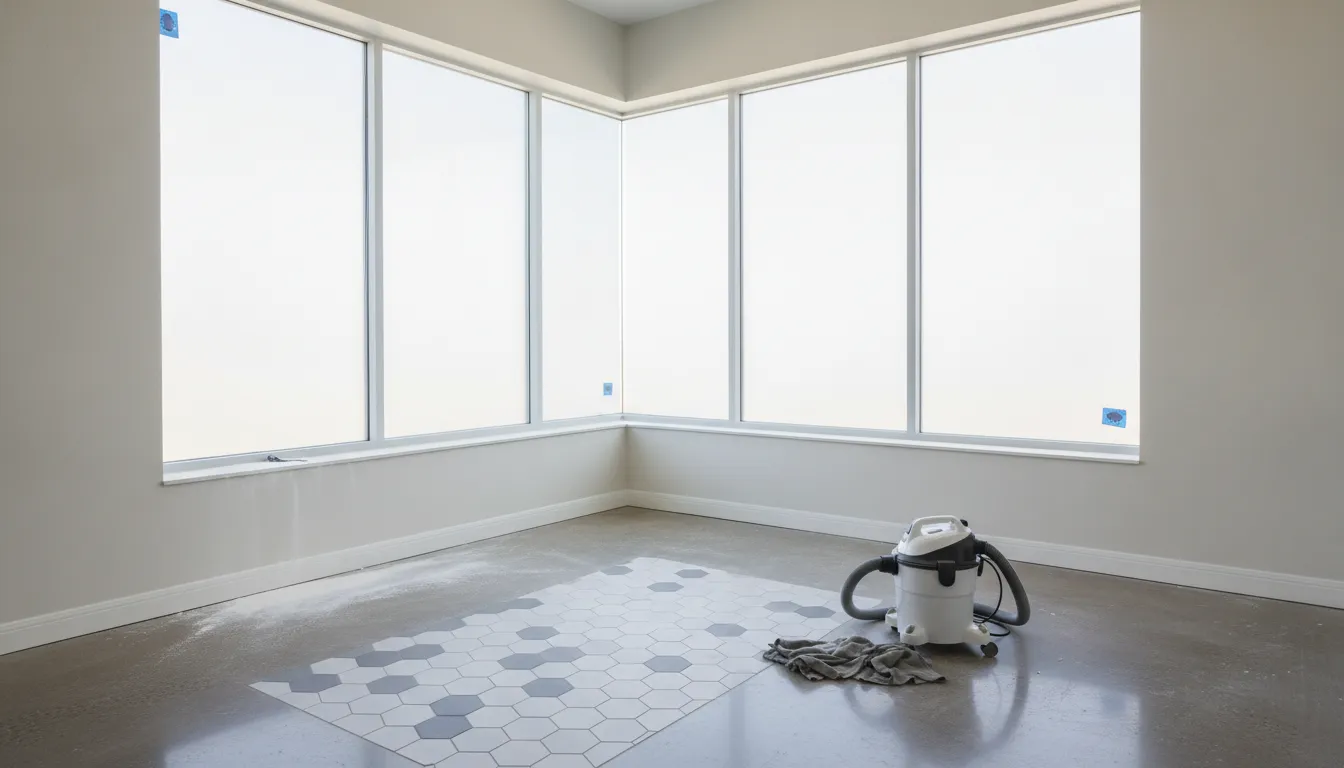
For turnover, separate the incoming tenant's needs from the existing recurring scope. Identify whether a one-time move-in or move-out clean is being requested, which areas are involved, and when they can be accessed. Construction cleanup should also be discussed as a separate project rather than assumed to be included in regular janitorial service. Confirm the requested work and its timing before representing it as scheduled.
After a change, review the area list, access permissions, contact names, and service window. Remove obsolete directions and distribute the revised instructions only to the people who need them. A brief written update can prevent a former tenant's access process or an outdated room use from carrying into future service.
Review the onboarding plan before service begins
Before confirming a start, compare the tenant-facing checklist with the proposed scope and building policies. Check that each included area has an access path, each restricted area has an authorization rule, and each tenant knows where to send a question. Mark unresolved items clearly, including schedule questions, areas awaiting approval, or tasks that may require separate discussion.
Ask for the proposed scope in writing and review it before confirming. Golden Coast Cleaning Services' terms state that a request requires company acceptance to become a booking, and that pricing is based on disclosed conditions and requested work. Provide accurate details about the property, access, and requested tasks, and share changes in advance. Do not assume a proposed request has been accepted until the details are confirmed.
A practical final review can use these questions:
Are common areas and tenant-controlled areas clearly distinguished?
Does each tenant know what, if anything, they must prepare?
Are the recurring tasks separate from periodic and one-time requests?
Are approved days, windows, entry procedures, and exceptions recorded?
Do tenants know the correct contact for access issues and scope questions?
Are specialized tasks and regulated materials explicitly bounded?
Have outstanding details been resolved before anyone treats the plan as final?
Build a tenant-ready onboarding checklist
Use the following list as a working document and adapt it to the building. It should help tenants understand the agreed process, not replace the accepted scope or the property's own policies.
Property name, suite or area, and current tenant contact.
Areas included in the plan, areas excluded, and any required permission.
Plain-language summary of the recurring work and any separately discussed project work.
Approved service days and time windows, marked as proposed until confirmed.
Entry, escort, restricted-room, lockout, holiday, and closure procedures.
Tenant preparation steps and the person authorized to approve access.
Property contact, alternate contact, and the channel for routine questions.
Method for reporting an issue with its location, date, and relevant task.
Facility-specific safety instructions and clearly stated task limitations.
Process for updating the list after tenant turnover, construction, or schedule changes.
Store the current version where property staff can find it and distribute the tenant-facing information through the building's approved channels. Share only the details each recipient needs. Keep confidential access information separate and follow the property's security practices.
Frequently Asked Questions
What should tenants provide before recurring cleaning starts?
Tenants should provide a current contact, relevant access and scheduling requirements, the areas they are authorized to discuss, and any site rules that affect the requested work. Property management should clarify whether tenant spaces are included and collect approvals where needed.
Should each tenant create a separate cleaning checklist?
Not necessarily. A shared building checklist can cover common procedures, with a short tenant-specific section for suite access, approved areas, and local constraints. The written service scope remains the reference for which tasks are actually included.
Can routine cleaning include a move-out or construction cleanup?
Do not assume that it does. Move-in or move-out work and construction cleanup are distinct project requests. Describe the affected areas and timing, then confirm the scope and arrangements separately.
Who should tenants contact about a missed or inaccessible area?
Use the route selected by property management. The report should identify the location, date, and whether the room was unavailable or the expected task is in question. The designated contact can then coordinate any follow-up or confirmed change.
Schedule a walkthrough
A walkthrough gives property staff and a cleaning provider a chance to review the building, tenant responsibilities, access rules, and requested schedule together. Golden Coast Cleaning Services serves commercial facilities in Orange County, including Irvine and Huntington Beach, and discusses a plan around each property's needs. To review a contact path for questions about the process, visit the contact page.
Bring the current tenant list, building policies, and a record of open questions so the proposed cleaning plan can reflect how the property actually operates.

Comments